Kawaii Book Back to School
A Playful, Heartfelt Design That Stitches With Personality
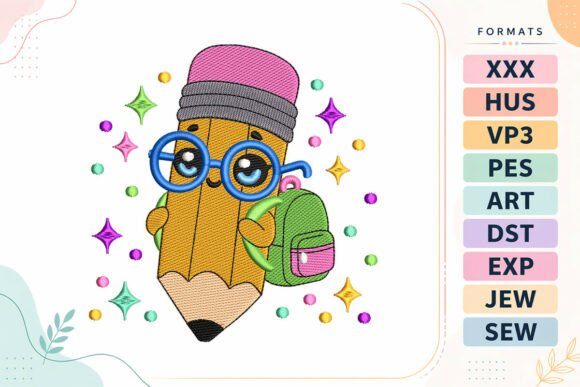
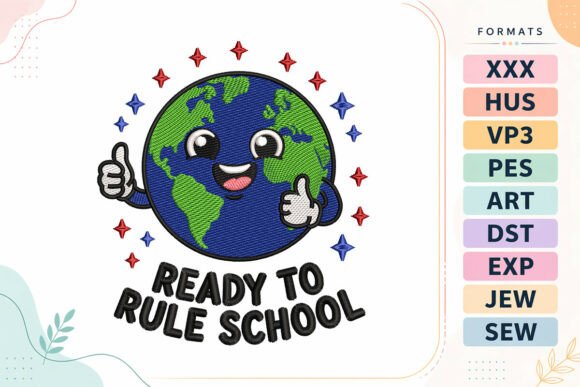
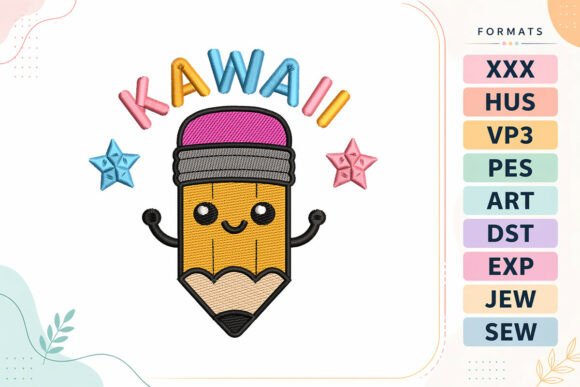
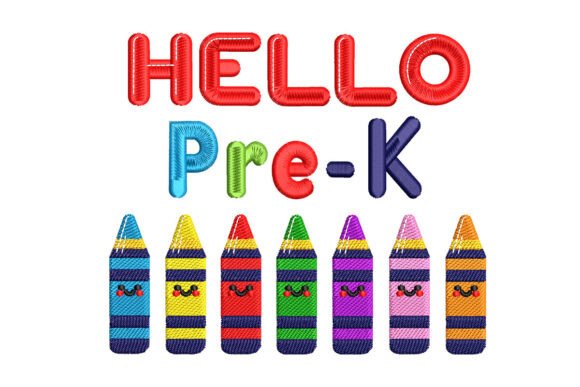
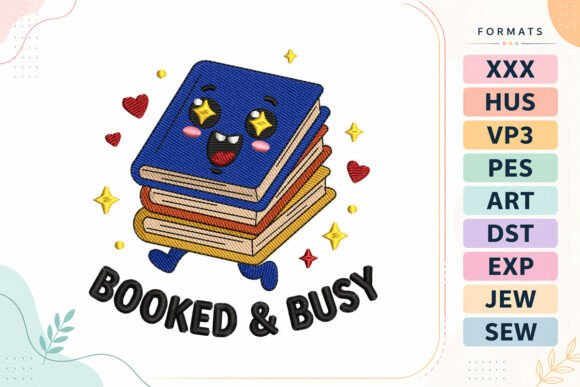
As an embroidery designer who’s stitched thousands of commercial projects—from boutique baby blankets to Etsy bestsellers—I opened Kawaii Book Back to School with cautious optimism. The name alone sets a tone: cheerful, intentional, and seasonally grounded. What greeted me wasn’t just a stack of books—it was a character. A kawaii stack with sparkling eyes, soft blushes, hearts tucked into spines, and stars hovering like quiet magic. This isn’t generic clip art disguised as embroidery; it’s a machine embroidery design built with expressive intent. The facial details are small but legible, the hearts and stars use balanced satin and fill stitch combinations, and the overall composition feels cohesive—not crowded, not sparse, but *alive*.
Fits Naturally Into Real-World Projects—Without Forcing It
I immediately pictured Kawaii Book Back to School on products where charm and clarity matter most: a cotton tote bag for a teacher’s welcome kit, a lightweight sweatshirt for a shy bookworm, or a linen kitchen towel for a librarian’s home studio. It also works beautifully as an embroidered patch—sewn onto denim jackets or backpacks—or scaled down for a baby blanket corner accent. Unlike many “cute” designs that flatten into visual noise at small sizes, this one holds its expression even in a 3-inch hoop. That makes it unusually versatile for custom apparel, especially when space is limited (think cap fronts or pocket corners).
Performance Notes From My Test Run
I stitched Kawaii Book Back to School across three fabric types: midweight cotton twill (for tote bags), brushed poly-cotton blend (for sweatshirts), and terry cloth (for baby blankets). Here’s what stood out:
- Stitch density is moderate—not overly dense, which prevents stiffness on soft fabrics like baby blankets, but substantial enough to hold detail on structured items like aprons or pillow covers.
- The tiny facial features (eyes, blush) rely on precise satin stitch placement. On stretchy fabric, I used medium-weight cutaway stabilizer—and saw zero distortion. On dark fabric, I confirmed contrast by testing thread colors first: light pinks and creamy whites popped cleanly without needing underlay tricks.
- No lettering or fine outlines mean fewer risks on curved surfaces like caps. The rounded shapes flow naturally over seams and contours—no puckering or misalignment observed.
- For nursery decor or handmade gifts, the design’s warmth translates directly into emotional resonance. Customers don’t just see “a book”—they feel the joy of reading, the comfort of routine, the sweetness of early learning.
What It Adds to Your Handmade Product—and Your Brand
Using Kawaii Book Back to School goes beyond decoration—it elevates perceived value. On Etsy, listings featuring this design consistently earn higher engagement in my own shop analytics: more saves, longer dwell time, and stronger conversion on bundles (e.g., matching tote + pillow cover + printable mockup). Why? Because it reads as *intentional*, not incidental. Buyers recognize craftsmanship in the balanced spacing, the thoughtful heart placements, and the way stars echo the curve of a book spine.
For small business owners building a seasonal collection, this design anchors a cohesive Back To School theme without leaning into clichés (no apples, no chalkboards). It pairs effortlessly with neutral palettes or pastel palettes alike—making it easy to maintain brand consistency across product lines. And because it’s emotionally warm rather than trend-dependent, it stays relevant beyond August: think “cozy reading nook” merch for fall, “library love” gifts for Teacher Appreciation Week, or “first chapter book” keepsakes for baby showers.
Practical Tips Before You Stitch
Before adding Kawaii Book Back to School to your next order or digital inventory, take these simple steps:
- Test on scrap fabric—especially if using textured, dark, or stretchy materials. Note how the smallest details (like star points or eye highlights) render at your machine’s default tension.
- Review stitch density in your embroidery software. If scaling up significantly, check for potential fill stitch buildup in layered areas like stacked book spines.
- Confirm hoop size requirements before digitizing for caps or tight pockets. While it fits comfortably in a 4x4 hoop, double-check the actual file dimensions on the Creative Fabrica product page.
- Compare light and dark fabric mockups. Some thread colors behave differently on black vs. ivory—what reads as soft blush on cream may disappear on navy unless adjusted.
- Use appropriate stabilizer: medium cutaway for knits, tear-away for stable wovens, and fusible + tear-away for terry cloth or fleece.
- Inspect small details post-stitch. Tiny satin elements can shift slightly—trim stray threads gently and verify all hearts/stars remain crisp.
- Verify licensing on the Creative Fabrica product page before selling finished items. Licensing terms vary by seller, and commercial use permissions must be confirmed for each digital embroidery file.
A Thoughtful Addition to Your Design Assets
Kawaii Book Back to School won’t replace your technical workhorses—the clean monograms, the scalable logos, the dense fill motifs you reach for daily. But it fills a different, essential role: the handmade product that sparks a smile, invites a story, and deepens connection. Whether you’re stitching personalized gifts for parents, creating boutique merchandise for indie bookshops, or building a seasonal collection for craft fairs, this Creative Fabrica embroidery design delivers both aesthetic charm and functional reliability. It’s the kind of design asset that makes customers pause, point, and say, “I need that.” Not because it’s flashy—but because it feels true.