Back to School Backpack Embroidery Design Review
First Impressions: Playful, Bright, and Instantly Relatable
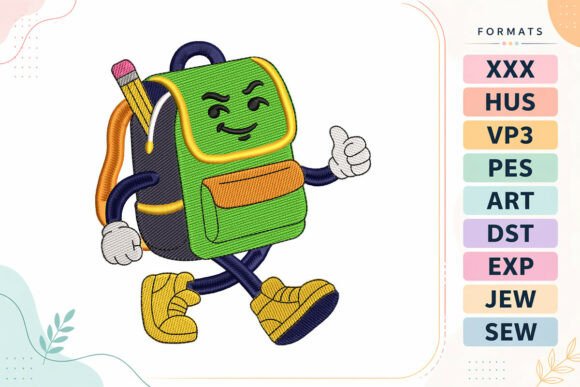
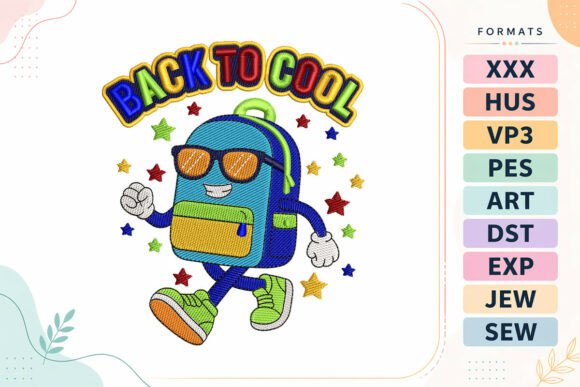
As an embroidery designer who’s tested hundreds of machine embroidery designs for personalized gift shops and Etsy sellers, I opened Back to School Backpack expecting cheerful energy—and it delivered. The design features a friendly backpack character wearing sunglasses and floating among colorful stars. It’s not overly detailed or fussy; instead, it strikes that rare balance between bold visual appeal and stitch-friendly simplicity. The mood is undeniably playful and upbeat—perfect for welcoming a new school year—but it avoids feeling juvenile or dated. It reads as modern, handmade, and full of warmth—not cartoonish, not generic, but *intentional*. That emotional resonance matters deeply when customers are choosing a personalized gift for a baby’s first day, a teacher’s appreciation towel, or a sibling’s custom tote.
Versatility Beyond the Classroom
Don’t let the name limit your imagination. Back to School Backpack shines across categories far beyond backpacks. For baby embroidery, it adds gentle whimsy to receiving blankets, onesie bibs (when sized appropriately), and nursery wall hangings. On embroidered towels—especially kitchen or guest hand towels—it becomes a joyful focal point that invites smiles without overwhelming the fabric. Pillow covers, aprons, and linen tote bags gain instant personality and charm. I’ve even used scaled-down versions on wedding keepsakes: think “Our First Day as Mr. & Mrs.” stitched beside the backpack on a cotton tea towel gifted to newlyweds who met in grad school. As a small shop product, it bridges generations—grandparents buy it for grandchildren’s first-day-of-kindergarten gifts, while Etsy sellers use it in “teacher welcome kits” alongside mugs and notebooks. Its flexibility makes it ideal for craft fairs, where quick visual impact and clear storytelling drive impulse buys.
Where to Use It Thoughtfully
Like any strong design, Back to School Backpack thrives with mindful placement. Avoid using it on stretchy baby clothes unless you’ve tested stabilization thoroughly—those sunglasses and star outlines can distort if the fabric shifts. Thick terry cloth towels require extra stabilizer and possibly reduced stitch density to prevent puckering; always test on scrap first. Curved surfaces like mug cozies or rounded pillow edges may need slight digitizing adjustments—check how the backpack’s smile and star alignment hold up when wrapped. Dark fabrics demand high-contrast thread colors; light blues or yellows may disappear without careful selection. And while the design feels durable, avoid placing fine details—like the tiny star points—directly over seams or high-friction zones on frequently washed items like lunch totes or dish towels. When in doubt, run a printable mockup to preview scale and balance before stitching.
Why It Elevates Your Personalized Gift Offerings
This isn’t just another embroidery file—it’s a trust-builder. Customers browsing for a meaningful personalized gift respond instinctively to designs that feel both joyful and crafted with care. Back to School Backpack signals handmade quality through its clean lines and balanced composition. It photographs beautifully: the contrast between the cheerful character and neutral backgrounds (linen, canvas, oatmeal cotton) creates scroll-stopping Etsy listings. Buyers engage more when a design tells a quiet story—“This is for *my* child’s big step,” “This celebrates learning as joy, not pressure.” That emotional connection lifts perceived value, supports premium pricing, and encourages repeat orders. For wedding gift designers, it subtly nods to lifelong learning and shared growth. For baby product creators, it softens milestones with sweetness rather than cliché. In short, it helps your finished product feel intentional—not mass-produced, but thoughtfully chosen.
Practical Embroidery Notes You Can’t Skip
Before adding Back to School Backpack to your production queue, run these checks:
- Test on scrap fabric—especially if pairing with textured weaves, terry cloth, or knits.
- Verify thread color contrast on both light and dark base fabrics; consider switching from default pastels to richer teals or mustard yellows for stronger pop.
- Confirm hoop size compatibility with your machine and intended product (e.g., 4x4 for napkins vs. 5x7 for tote bags).
- Review stitch density—if it feels heavy for lightweight cotton or silk-blend pillow covers, consult your digitizer about optimizing fill areas.
- Use appropriate stabilizer: cutaway for knits, tear-away for stable wovens, and fusible + tear-away for towels.
- Check small details post-stitch: ensure stars remain crisp and sunglass lenses don’t blur—this reveals digitizing quality and helps you spot potential customer service issues early.
- Confirm commercial licensing before selling finished products. Since this is a digital embroidery file intended for resale use, verify terms directly with the source—don’t assume.
A Design That Grows With Your Business
What makes Back to School Backpack especially valuable for small business owners is its scalability. You can offer it as a standalone embroidery file for fellow crafters, bundle it into seasonal kits (“Back to School Stitch Box”), or feature it across multiple product lines—from baby embroidery to wedding gift collections—without diluting its appeal. It performs equally well as a custom embroidery add-on (e.g., “Add a Back to School Backpack to any blanket”) or as the hero motif on limited-run totes for local school fundraisers. For Etsy sellers, it’s a low-risk, high-engagement listing: search volume for “back to school embroidery” spikes predictably each August, and this design stands out by balancing freshness with broad emotional accessibility. Whether you’re a seasoned embroidery studio or launching your first handmade product line, Back to School Backpack is more than a motif—it’s a thoughtful, market-smart tool for building connection, one stitch at a time.