Back to School Apple Pencil Embroidery Design
First Impressions: Charm, Clarity, and Quiet Nostalgia
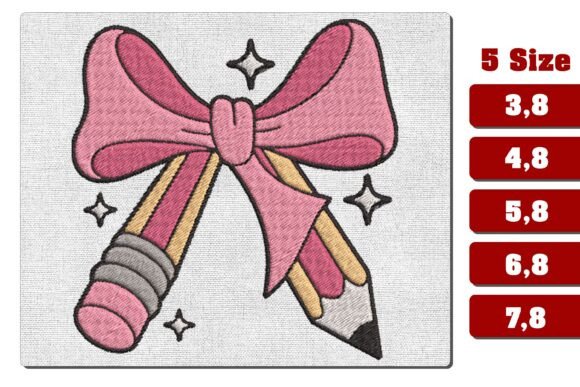
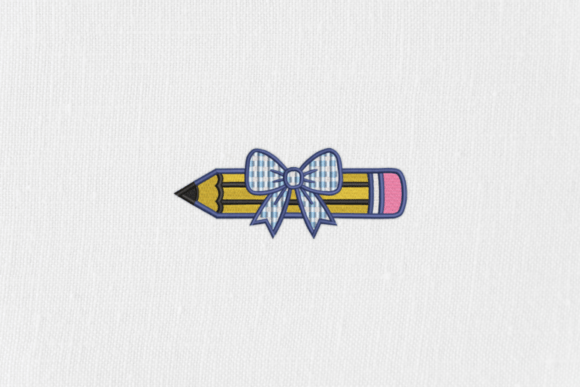
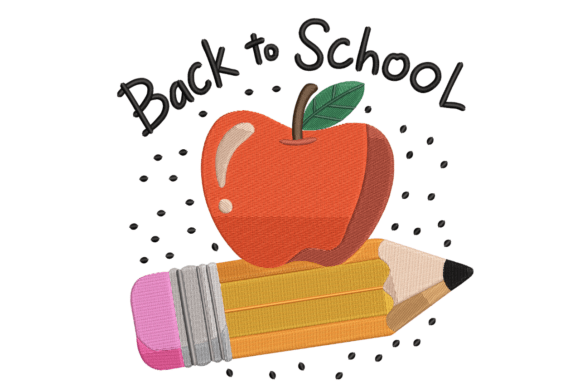
As an embroidery designer who’s stitched thousands of personalized gifts—from baby blankets for first birthdays to wedding keepsakes for heirloom boxes—I opened Back to School Apple Pencil with genuine curiosity. It landed softly: not loud or cartoonish, but warmly nostalgic, gently modern, and unmistakably handmade in spirit. The apple shape is rounded and friendly—not overly stylized—while the pencil leans with quiet confidence, its eraser and graphite tip rendered with just enough detail to read clearly at 3–4 inches tall. There’s no clutter, no forced cuteness. It feels sweet without saccharine, seasonal without being dated, and classic enough to stitch on a linen pillow cover in May or a cotton tote in September. For customers seeking meaning over mass appeal—think new teachers, proud grandparents, or parents marking a child’s first day—it lands with emotional resonance.
Where This Design Truly Shines
Back to School Apple Pencil isn’t just for backpacks and notebooks. Its balanced scale and clean lines make it exceptionally versatile across personalized gift categories:
- Baby embroidery: Perfect for onesies (on stable knit blends), burp cloths, and muslin swaddle blankets—especially when paired with soft thread colors like heather grey or sage green.
- Wedding gift: Stitch it onto a custom linen napkin set or embroidered tea towel for the educator couple. It reads as thoughtful, not thematic—ideal for non-traditional weddings where personality matters more than cliché.
- Nursery decor & keepsakes: Works beautifully on framed hoop art, quilt blocks, or a personalized wooden growth chart sleeve. Its gentle motif avoids overwhelming delicate spaces.
- Small shop product: Etsy sellers can bundle it with coordinating digital mockups—say, an embroidered apron + printable “First Day of Preschool” card—to elevate perceived value instantly.
- Embroidered towel & kitchen goods: On medium-weight cotton towels or flour sack cloths, the design holds crispness without excessive stitch density—no puckering, no shadowing.
- Pillow covers & totes: At 3.5" wide, it centers elegantly on standard 16x16" covers or the front panel of a 12"x15" canvas tote—no awkward cropping or scaling needed.
Where to Use It Thoughtfully
Like any well-loved machine embroidery design, Back to School Apple Pencil rewards intentionality. Here’s where attention pays off:
- Small lettering or fine details: Avoid shrinking it below 2.5". The pencil’s graphite tip and subtle leaf vein may lose clarity—test before committing to a batch of tiny onesies.
- Textured fabric: On heavy terry cloth or nubby linen, use a light tear-away + cut-away stabilizer combo. The design’s moderate stitch density handles texture well—but never skip stabilization on uneven weaves.
- Stretchy baby clothes: Stick to stable knits (like interlock or pique) and avoid curved seams. Skip ribbed necklines or side seams entirely—the apple’s round shape doesn’t forgive distortion.
- Dark fabric: Always test thread contrast. Light apple red or creamy yellow pops, but true white thread can fade into charcoal or navy. A soft ecru or oatmeal often reads richer.
- Frequent-wash items: While the design itself isn’t overly dense, reinforce high-friction zones (like towel corners or tote strap edges) with a second layer of stabilizer during hooping.
How It Elevates Your Handmade Product
This isn’t just another embroidery file—it’s a trust-builder. When customers see Back to School Apple Pencil stitched cleanly on a linen blanket or ceramic mug sleeve, they register care: careful digitizing, intentional spacing, and respect for fabric integrity. That translates directly to perceived value. A $28 embroidered kitchen towel becomes a $42 “teacher appreciation essential.” A $32 baby blanket becomes a “first-day heirloom.” Photograph it flat on natural light with a sprig of dried lavender or a chalkboard tag—and buyer engagement lifts. Why? Because it feels personal without being prescriptive. It invites interpretation: Is it for a student? A teacher? A parent returning to school? That openness makes it inclusive—and highly shareable on social feeds.
Practical Embroidery Notes You’ll Want to Keep Handy
Before stitching your first customer order, take these five minutes seriously:
- Test on scrap fabric—same type, same color, same stabilizer you’ll use for production.
- Check thread color contrast on both light and dark fabric mockups. Print a physical swatch if needed.
- Confirm hoop size compatibility. Does it fit comfortably in your most-used hoop? If not, note resizing limits early.
- Review stitch density visually in your embroidery software. Look for tight clusters that could cause stiffness or shine—Back to School Apple Pencil avoids this, but always verify.
- Use proper stabilizer for your base fabric—not just “what’s on hand.” Medium-weight cut-away works for most cottons; lightweight tear-away shines on linens.
And one non-negotiable: confirm commercial licensing before listing finished products on Etsy, your website, or craft fairs. As a small shop owner, you’re investing time, thread, and reputation—make sure your digital embroidery file permits resale of the physical item. If license terms aren’t clearly stated with Back to School Apple Pencil, reach out to the designer or platform before fulfilling orders.
A Design That Grows With Your Business
I’ve stitched Back to School Apple Pencil on everything from organic cotton baby wraps to monogrammed denim aprons for a local Montessori school boutique—and each time, it felt like adding quiet intention to the work. It doesn’t shout. It doesn’t trend-hop. It simply belongs: in nurseries, kitchens, classrooms, and keepsake boxes. For embroidery makers building brands rooted in authenticity—not algorithm-chasing—it’s a rare find: a seasonal motif that breathes year-round, a digital embroidery file that stitches like a promise kept, and a personalized gift that starts conversations before it’s even unwrapped.